Migraines and headaches
Migraine with or without aura, menstrual migraine, tension-type headache, medication-overuse headache
Chronic conditionMigraine is a common neurological condition that causes repeated attacks of moderate to severe headache, often with nausea and sensitivity to light and sound. Other ongoing headaches, such as tension-type headache, are also common.
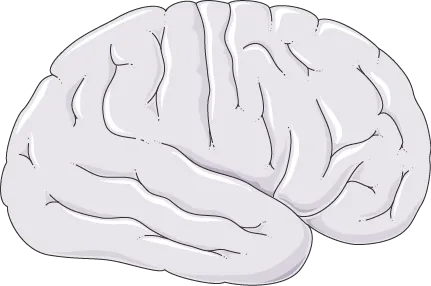
What happens
In migraine, the brain's pain pathways are more easily set off. During an attack, nerves around blood vessels in the head release inflammatory signals such as CGRP. About 1 in 4 people with migraine have an aura first, usually visual changes that last less than an hour. The drop in estrogen just before a period is a common trigger. Using pain relievers too often can cause rebound headaches, called medication-overuse headache.
Who gets it
Migraine is about three times more common in women and is most common during the reproductive years. It often runs in families, and attacks often change around puberty, pregnancy, and perimenopause. Headaches are also more common in some autoimmune conditions, such as lupus, antiphospholipid syndrome, and celiac disease.
Common signs
- Throbbing or pulsing pain, often on one side of the head
- Nausea or vomiting
- Sensitivity to light, sound, or smells
- Zigzag lines, flashing lights, or blind spots before the headache (aura)
- Tingling or numbness that spreads slowly, as part of an aura
- Tiredness, yawning, food cravings, or mood changes a day or two before
- Pain that gets worse with routine activity
- A tight, band-like pressure around the head (tension-type headache)
- Attacks that line up with your period
Labs to ask about
- A headache diary that tracks attacks, triggers, your cycle, and how often you take pain medicine
- A neurological exam and blood pressure check
- Brain MRI or CT only if there are warning signs or the pattern changes
- TSH and ferritin, since thyroid problems and low iron can make headaches worse
- An eye exam if you have vision changes
- A sleep evaluation if you snore or wake with headaches
How it's usually treated
- Medicines taken early in an attack, such as NSAIDs, triptans, or gepants, with limits on how often to prevent rebound headaches
- Preventive medicine for frequent attacks, such as certain blood pressure medicines, antidepressants, anti-seizure medicines, CGRP-blocking medicines, or Botox for chronic migraine
- Magnesium, riboflavin (vitamin B2), and coenzyme Q10, which have some evidence for prevention
- Biofeedback, relaxation training, and cognitive behavioral therapy
Supportive steps to discuss with your provider
- Keep regular sleep, meals, and fluids. Skipped meals and short sleep are common triggers.
- Track attacks against your cycle. Menstrual migraine may need its own plan.
- Ask how many days a month you can safely use pain relievers.
- If you have migraine with aura, ask about stroke risk before using estrogen-containing birth control.
- Ask whether magnesium, riboflavin, or coenzyme Q10 fits your plan.
See a doctor promptly if you have
- A sudden, severe headache that peaks within a minute, the worst of your life: call 911
- Headache with facial droop, one-sided weakness, trouble speaking, or confusion: call 911 (possible stroke)
- Headache with fever and a stiff neck: go to the emergency room
- A new headache after 50 with scalp tenderness, jaw pain when chewing, or vision changes: get same-day care (possible giant cell arteritis)
- A new or severe headache during pregnancy or after giving birth: get same-day care
Related conditions
Period problems
Very painful, heavy, irregular, or missing periods, and severe mood symptoms before a period, are common but not something you have to put up with. They often point to a treatable cause.
Learn more →Perimenopause and menopause
Menopause is the point 12 months after your last period, when the ovaries have stopped releasing eggs. Perimenopause is the years of shifting hormones before it, when most symptoms begin.
Learn more →Insomnia and sleep disorders
Trouble falling asleep, staying asleep, or waking rested, at least 3 nights a week for 3 months or more. Other sleep disorders, such as sleep apnea, are often missed in women.
Learn more →Anxiety
Worry, fear, or physical tension that's out of proportion to the situation and gets in the way of daily life. Physical causes such as thyroid or hormone changes can drive or worsen it.
Learn more →
Wondering if your symptoms fit a pattern?
Dr. Lesher is a naturopathic doctor who specializes in women's autoimmune and chronic conditions. Since 2020, she has helped more than 900 patients overcome and heal from their conditions.