Period problems
Irregular periods, painful periods, heavy menstrual bleeding, PMS, PMDD
Chronic conditionVery painful, heavy, irregular, or missing periods, and severe mood symptoms before a period, are common but not something you have to put up with. They often point to a treatable cause.
What happens
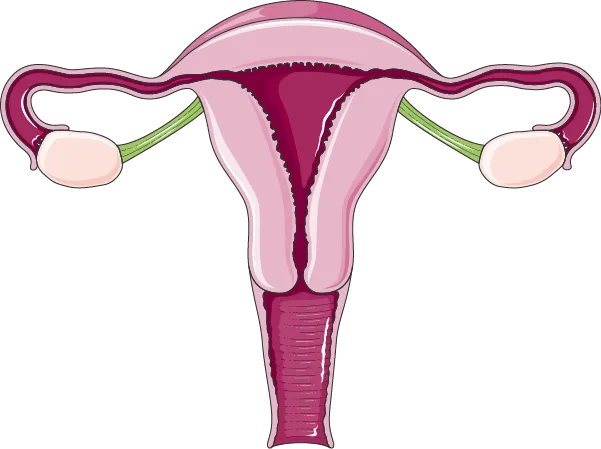
A typical adult cycle is 21 to 35 days, with bleeding for up to 7 days. Period cramps come from prostaglandins that make the uterus contract. Severe or worsening pain can point to endometriosis, adenomyosis, or fibroids. Heavy bleeding can come from fibroids, polyps, hormone shifts, thyroid disease, or a bleeding disorder such as von Willebrand disease. Irregular periods often trace back to ovulation problems from PCOS, thyroid disease, high prolactin, stress, under-eating, intense exercise, or perimenopause. PMS and the more severe PMDD are thought to come from extra brain sensitivity to normal hormone shifts, not abnormal hormone levels.
Who gets it
Period problems can happen at any age, from the first period through perimenopause. Heavy bleeding is common, and PMDD affects about 1 in 20 women of reproductive age. Risk is higher with thyroid disease, PCOS, endometriosis, fibroids, or a bleeding disorder.
Common signs
- Cramps that keep you from work, school, or daily life
- Bleeding for more than 7 days, changing pads or tampons every 1 to 2 hours, or clots larger than a quarter
- Cycles shorter than 21 days or longer than 35 days, or missed periods
- Spotting between periods or after sex
- Fatigue or dizziness from blood loss
- Bloating, breast tenderness, or headaches before your period
- Irritability, sadness, anxiety, or feeling out of control in the 1 to 2 weeks before your period
Labs to ask about
- A period and symptom diary for at least 2 cycles
- A pregnancy test
- CBC and ferritin
- TSH and prolactin
- Pelvic ultrasound
- Testing for a bleeding disorder if heavy periods started with your first period
How it's usually treated
- NSAIDs started just before or at the start of your period
- Hormonal options such as the pill, patch, ring, or a hormonal IUD
- Tranexamic acid for heavy bleeding
- SSRIs for PMDD, taken daily or only in the 2 weeks before your period
- Treating the cause, such as thyroid disease, PCOS, fibroids, or endometriosis
Supportive steps to discuss with your provider
- Track bleeding, pain, and mood so patterns are clear.
- Rebuild iron based on your labs.
- Heat and regular movement can ease cramps.
- Some studies support calcium for PMS symptoms. Ask what fits you.
- Ask about cognitive behavioral therapy for PMS or PMDD.
See a doctor promptly if you have
- Bleeding that soaks through a pad or tampon every hour for 2 hours or more, or feeling faint: go to the emergency room
- Sudden, severe pelvic pain, especially with a positive pregnancy test: go to the emergency room
- No period for 3 months or longer and you're not pregnant
- Bleeding after sex or after menopause
- Thoughts of self-harm before your period: call or text 988
Related conditions
Endometriosis
A chronic, estrogen-driven inflammatory condition in which tissue similar to the uterine lining grows outside the uterus, causing pain and sometimes infertility. It isn't classified as autoimmune, but women with endometriosis have higher rates of several autoimmune diseases.
Learn more →Uterine fibroids
Noncancerous growths of the uterine muscle. Many cause no symptoms, but some cause heavy periods, pelvic pressure, and anemia.
Learn more →Polycystic ovary syndrome
A common hormone condition that often causes irregular periods, higher androgen (male-type hormone) levels, and insulin resistance. Despite the name, not everyone with PCOS has ovarian cysts.
Learn more →Hashimoto's thyroiditis
The most common cause of an underactive thyroid in the US. The immune system slowly damages the thyroid, so it makes less hormone over time.
Learn more →
Wondering if your symptoms fit a pattern?
Dr. Lesher is a naturopathic doctor who specializes in women's autoimmune and chronic conditions. Since 2020, she has helped more than 900 patients overcome and heal from their conditions.