Anxiety
Generalized anxiety disorder, panic disorder, social anxiety
Chronic conditionWorry, fear, or physical tension that's out of proportion to the situation and gets in the way of daily life. Physical causes such as thyroid or hormone changes can drive or worsen it.
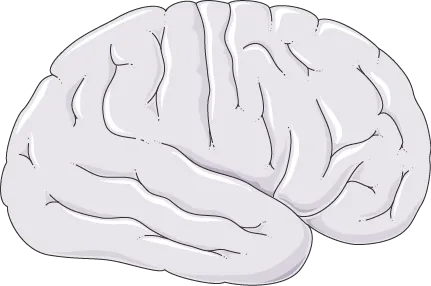
What happens
Anxiety keeps the body's stress response switched on, with more adrenaline and cortisol, a faster heart rate, and tense muscles. Some physical conditions can cause or mimic it, including an overactive thyroid (as in Graves' disease), drops in blood sugar, low iron, heavy caffeine use, some medicines, and hormone shifts before periods, after childbirth, and in perimenopause.
Who gets it
Anxiety disorders are about twice as common in women. Symptoms often appear or worsen around puberty, before periods (PMDD), during pregnancy and postpartum, and in perimenopause. Anxiety is more common in people with thyroid and other autoimmune disease.
Common signs
- Ongoing worry that's hard to control
- Restlessness or feeling on edge
- A racing or pounding heartbeat
- Muscle tension, jaw clenching, or headaches
- Trouble falling or staying asleep
- Stomach upset, nausea, or loose stools
- Panic attacks with shortness of breath, dizziness, or a sense of doom
- Avoiding places or situations because of fear
Labs to ask about
- A screening questionnaire such as the GAD-7
- TSH and free T4, with thyroid antibodies if indicated
- Fasting glucose or A1c
- CBC, ferritin, and B12
- An ECG if you have palpitations or chest symptoms
How it's usually treated
- Cognitive behavioral therapy (CBT), which is a first-line treatment
- SSRI or SNRI medicines
- Short-term use only of sedatives such as benzodiazepines, if at all
- Treating contributors such as thyroid disease, PMDD, or perimenopausal symptoms
Supportive steps to discuss with your provider
- Cut back on caffeine and notice whether symptoms ease.
- Eat regular meals with protein to avoid blood sugar dips.
- Get regular exercise, which has good evidence for reducing anxiety.
- Practice slow breathing, mindfulness, or yoga.
- Limit alcohol. It can worsen anxiety the next day.
See a doctor promptly if you have
- Chest pain or pressure, pain spreading to the arm or jaw, or shortness of breath: call 911 (heart attacks in women can feel like panic)
- Thoughts of suicide or harming yourself: call or text 988, or call 911 if you're in immediate danger
- New anxiety with weight loss, tremor, and a fast heartbeat, which can point to an overactive thyroid
- Panic attacks or avoidance that limit your daily life
Related conditions
Graves' disease
The most common cause of an overactive thyroid. Antibodies switch the thyroid 'on' so it makes too much hormone.
Learn more →Hashimoto's thyroiditis
The most common cause of an underactive thyroid in the US. The immune system slowly damages the thyroid, so it makes less hormone over time.
Learn more →Depression
A persistent low mood or loss of interest that lasts at least 2 weeks and affects how you think, feel, and function. It's a medical condition, not a weakness, and it's treatable.
Learn more →Insomnia and sleep disorders
Trouble falling asleep, staying asleep, or waking rested, at least 3 nights a week for 3 months or more. Other sleep disorders, such as sleep apnea, are often missed in women.
Learn more →
Wondering if your symptoms fit a pattern?
Dr. Lesher is a naturopathic doctor who specializes in women's autoimmune and chronic conditions. Since 2020, she has helped more than 900 patients overcome and heal from their conditions.