Digestive issues
Constipation, diarrhea, reflux, IBS, nausea, SIBO, candida overgrowth
Chronic conditionOngoing digestive symptoms such as bloating, pain, reflux, or changes in bowel habits. Many are functional, meaning the gut looks normal but doesn't work smoothly.
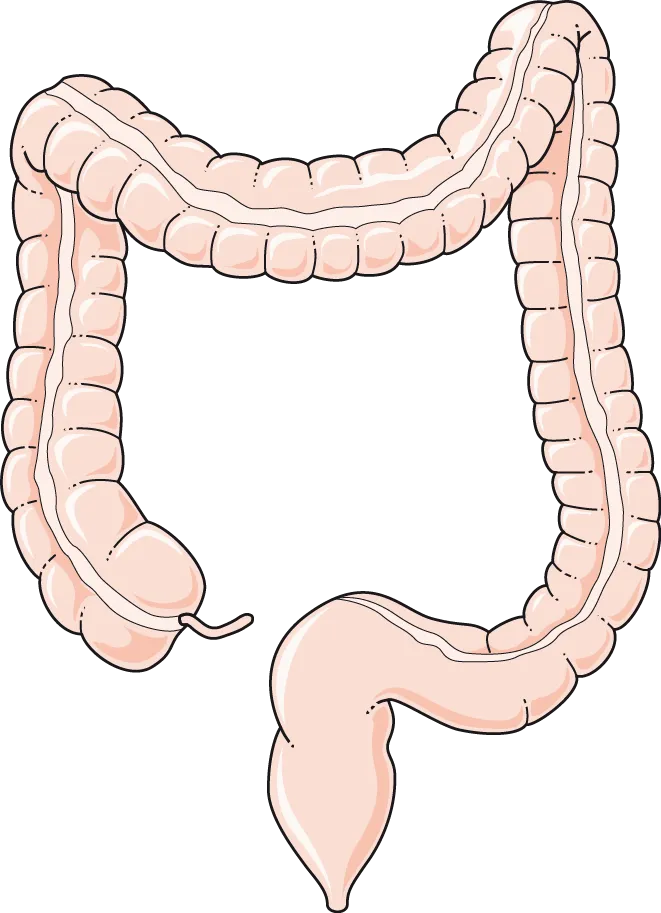
What happens
Irritable bowel syndrome (IBS) involves a sensitive gut and changes in how the gut and brain communicate, causing pain with constipation, diarrhea, or both. Reflux happens when stomach contents move back up into the esophagus. Small intestinal bacterial overgrowth (SIBO) is too many bacteria in the small intestine and is more likely with slow gut movement or past surgery. Thrush and vaginal yeast infections are real, but 'candida overgrowth' in the gut as a cause of body-wide symptoms isn't well supported. Celiac disease and inflammatory bowel disease are autoimmune and have their own pages.
Who gets it
IBS is about twice as common in women, and symptoms often shift with the menstrual cycle. Constipation is more common in women and during pregnancy. Thyroid disease, diabetes, and scleroderma can slow the gut.
Common signs
- Bloating or a swollen belly
- Abdominal pain or cramping, often eased by a bowel movement
- Constipation, diarrhea, or both
- Heartburn, sour taste, or a chronic cough or hoarse voice
- Nausea or feeling full quickly
- Gas and belching
- Symptoms that change with your cycle, stress, or certain foods
Labs to ask about
- Celiac screening (tTG-IgA with total IgA)
- CBC, ferritin, and TSH
- Stool calprotectin to screen for gut inflammation
- H. pylori testing for upper abdominal pain or ulcers
- Breath testing for SIBO in selected cases
- Colonoscopy or endoscopy based on age and warning signs
How it's usually treated
- Diet changes, such as a short-term low-FODMAP diet with a dietitian
- Fiber, laxatives, or antidiarrheal medicine depending on symptoms
- Acid-reducing medicine and lifestyle changes for reflux
- Gut-directed therapy, such as CBT or hypnotherapy, which has good evidence for IBS
- Antibiotics for confirmed SIBO
Supportive steps to discuss with your provider
- Get tested for celiac disease before cutting out gluten.
- Keep a food and symptom diary.
- Eat regular meals, chew well, and avoid eating close to bedtime if you have reflux.
- Ask whether peppermint oil capsules or psyllium fiber could help. Both have some evidence for IBS.
- Be cautious about strict long-term elimination diets. They can lead to nutrient gaps.
See a doctor promptly if you have
- Vomiting blood or black stools: go to the emergency room
- Severe abdominal pain, especially with fever or a rigid belly: go to the emergency room
- Blood in the stool or unintended weight loss
- Trouble swallowing, or diarrhea that wakes you at night
- New symptoms after age 45, or a family history of colon cancer, celiac disease, or IBD
Related conditions
Celiac disease
An autoimmune reaction to gluten (in wheat, barley, and rye) that damages the lining of the small intestine and blocks nutrient absorption.
Learn more →Crohn's disease & ulcerative colitis
Immune-mediated conditions in which the immune system drives chronic inflammation of the digestive tract. They're often grouped with autoimmune diseases.
Learn more →Anxiety
Worry, fear, or physical tension that's out of proportion to the situation and gets in the way of daily life. Physical causes such as thyroid or hormone changes can drive or worsen it.
Learn more →Scleroderma
The immune system drives thickening and scarring of the skin, and sometimes internal organs, along with damage to small blood vessels.
Learn more →
Wondering if your symptoms fit a pattern?
Dr. Lesher is a naturopathic doctor who specializes in women's autoimmune and chronic conditions. Since 2020, she has helped more than 900 patients overcome and heal from their conditions.