Fatigue and chronic fatigue
ME/CFS (myalgic encephalomyelitis/chronic fatigue syndrome), long COVID fatigue
Chronic conditionOngoing exhaustion that limits daily life. It can come from a treatable cause, or it can be ME/CFS, a serious illness in which effort makes symptoms worse.
What happens
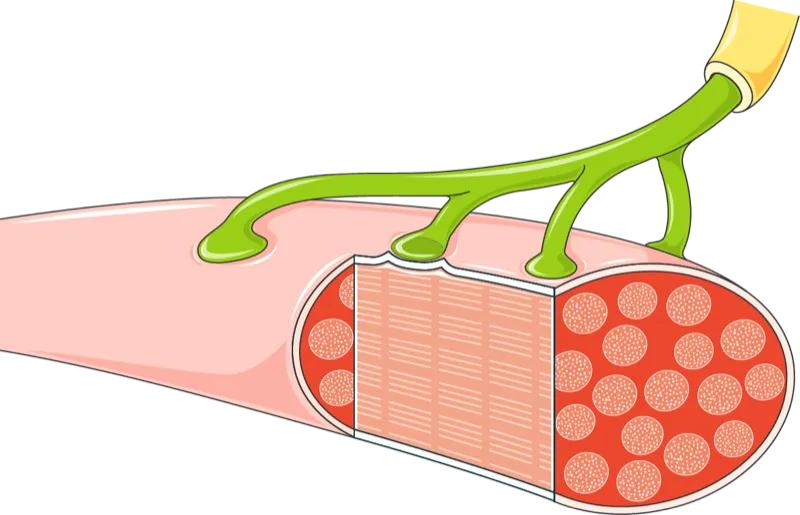
Fatigue has many causes, including anemia, thyroid disease, sleep apnea, depression, blood sugar problems, autoimmune disease, and medicines, so a careful workup comes first. ME/CFS is diagnosed when profound fatigue lasts 6 months or more with post-exertional malaise (a crash after physical or mental effort), unrefreshing sleep, and brain fog or dizziness when upright. It often starts after an infection, including COVID-19. Its cause isn't fully understood, but research points to immune, nervous system, and energy metabolism changes.
Who gets it
ME/CFS is two to three times more common in women and often starts after a viral illness. Fatigue is also very common with autoimmune disease, and lasting fatigue after COVID-19 is reported more often in women.
Common signs
- Exhaustion that isn't relieved by rest
- A crash in energy a day or two after activity (post-exertional malaise)
- Unrefreshing sleep
- Brain fog and trouble with memory or focus
- Dizziness, a racing heart, or feeling worse when standing
- Muscle or joint aches and headaches
- Sore throat or tender lymph nodes
Labs to ask about
- CBC, ferritin, B12, and folate
- TSH and free T4
- Metabolic panel, A1c, and CRP
- Vitamin D
- A sleep study if you snore or wake unrefreshed
- A 10-minute standing test or tilt-table test for orthostatic intolerance or POTS
How it's usually treated
- Treating any underlying cause, such as anemia, thyroid disease, or sleep apnea
- Pacing, which means staying within your energy limits to avoid crashes
- Treating orthostatic intolerance with fluids, compression, and sometimes medicine
- Treating sleep problems, pain, and mood symptoms
Supportive steps to discuss with your provider
- Track activity and symptoms to find your limits. Push-through exercise programs aren't recommended for ME/CFS.
- Break tasks into smaller pieces and schedule rest before you need it.
- Ask whether more fluids and salt are right for you if you feel worse standing.
- Ask about workplace or school accommodations.
- Keep regular sleep and wake times.
See a doctor promptly if you have
- Chest pain or fainting: call 911
- Fatigue with unexplained weight loss, fever, or night sweats
- Severe shortness of breath with activity
- Fatigue with low mood or thoughts of suicide: call or text 988
Related conditions
Chronic infections
Ongoing symptoms that follow or are linked to an infection or exposure. Some links are well established, and others are still debated.
Learn more →Anemia
Having too few healthy red blood cells, or too little hemoglobin, to carry enough oxygen through the body. Iron deficiency from heavy periods is the most common cause in women.
Learn more →Hashimoto's thyroiditis
The most common cause of an underactive thyroid in the US. The immune system slowly damages the thyroid, so it makes less hormone over time.
Learn more →Insomnia and sleep disorders
Trouble falling asleep, staying asleep, or waking rested, at least 3 nights a week for 3 months or more. Other sleep disorders, such as sleep apnea, are often missed in women.
Learn more →
Wondering if your symptoms fit a pattern?
Dr. Lesher is a naturopathic doctor who specializes in women's autoimmune and chronic conditions. Since 2020, she has helped more than 900 patients overcome and heal from their conditions.