Anemia
Iron-deficiency anemia, B12 or folate deficiency anemia, anemia of chronic disease
Chronic conditionHaving too few healthy red blood cells, or too little hemoglobin, to carry enough oxygen through the body. Iron deficiency from heavy periods is the most common cause in women.
What happens
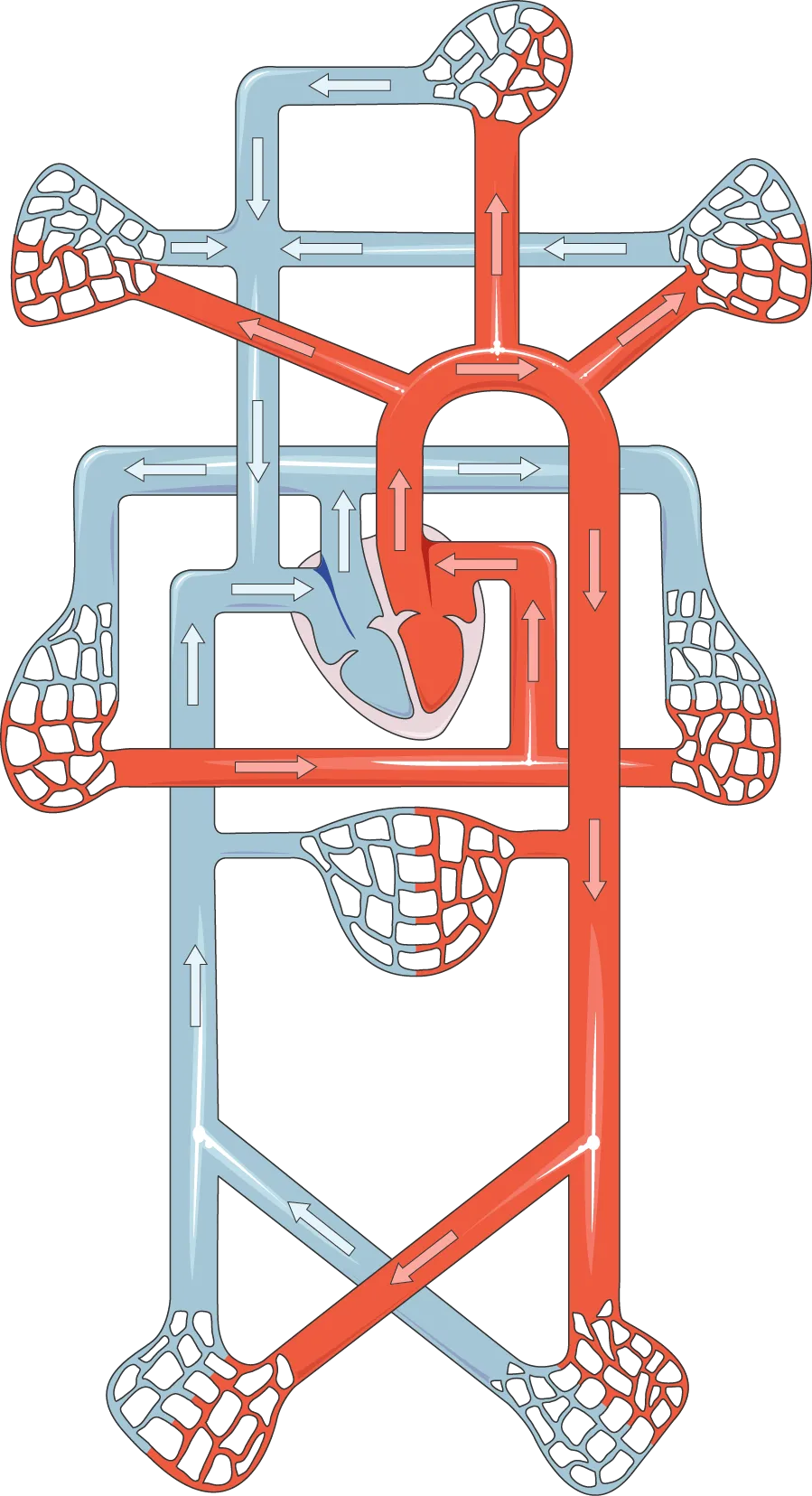
Red blood cells need iron, B12, and folate to form. Anemia can come from blood loss (such as heavy periods), poor absorption (such as celiac disease or low stomach acid), low intake, or pregnancy. Long-term inflammation from autoimmune disease or infection can also lock iron away and slow red blood cell production, which is called anemia of chronic disease. Iron stores (ferritin) can run low for months before anemia shows on a blood count.
Who gets it
Women of reproductive age are at highest risk, especially with heavy periods, fibroids, pregnancy, or a plant-based diet. Celiac disease, IBD, pernicious anemia, weight-loss surgery, and long-term use of acid-reducing medicine or metformin also raise the risk.
Common signs
- Fatigue and low stamina
- Shortness of breath or a pounding heart with activity
- Pale skin or pale inner eyelids
- Dizziness, headaches, or cold hands and feet
- Hair shedding and brittle nails
- Craving ice or non-food items
- Restless legs at night
- Numbness, tingling, or memory problems (with low B12)
Labs to ask about
- Complete blood count (CBC) and reticulocyte count
- Ferritin, with CRP, since inflammation can make ferritin look normal
- Iron, TIBC, and transferrin saturation
- B12 and folate, sometimes with methylmalonic acid
- Celiac screening (tTG-IgA with total IgA)
- Stool testing or a GI evaluation if there's no clear cause
How it's usually treated
- Iron by mouth, with follow-up labs to confirm it's working
- IV iron when oral iron isn't absorbed, isn't tolerated, or isn't fast enough
- B12 by injection or by mouth, depending on the cause
- Treating heavy periods, such as with a hormonal IUD or tranexamic acid
- Treating the underlying cause, such as celiac disease or inflammation
Supportive steps to discuss with your provider
- Don't start iron without testing. Too much iron is harmful.
- Take iron with a vitamin C source and away from tea, coffee, calcium, and thyroid medicine.
- Ask about your type of iron and schedule if it upsets your stomach or constipates you.
- Track how heavy your periods are and bring the record to your visit.
- Eat iron-rich foods such as meat, fish, beans, lentils, and leafy greens.
See a doctor promptly if you have
- Chest pain, fainting, or severe shortness of breath: call 911
- Soaking through a pad or tampon every hour for several hours: get same-day care
- Black stools or blood in the stool
- New numbness, tingling, or balance problems
- Iron deficiency after menopause, which needs a GI evaluation
Related conditions
Pernicious anemia
The immune system attacks cells in the stomach lining that make intrinsic factor, a protein needed to absorb vitamin B12.
Learn more →Celiac disease
An autoimmune reaction to gluten (in wheat, barley, and rye) that damages the lining of the small intestine and blocks nutrient absorption.
Learn more →Period problems
Very painful, heavy, irregular, or missing periods, and severe mood symptoms before a period, are common but not something you have to put up with. They often point to a treatable cause.
Learn more →Uterine fibroids
Noncancerous growths of the uterine muscle. Many cause no symptoms, but some cause heavy periods, pelvic pressure, and anemia.
Learn more →
Wondering if your symptoms fit a pattern?
Dr. Lesher is a naturopathic doctor who specializes in women's autoimmune and chronic conditions. Since 2020, she has helped more than 900 patients overcome and heal from their conditions.