Turmeric
Also called: Curcumin, Curcuma longa
A golden root whose active compounds, curcuminoids, support a healthy inflammatory response. Curcumin is poorly absorbed on its own, so the form matters.
Commonly used for
- Joint pain and stiffness
- Inflammation
- Digestive comfort
- Muscle soreness after exercise
Found naturally in
- Turmeric root, fresh or ground, in curries and golden milk
Label red flags
- Turmeric root powder with no curcuminoid percentage
- No form or standardization listed for the curcumin
Check with a provider
- Taking blood thinners or antiplatelet drugs, or having surgery soon
- Gallstones or a blocked bile duct
- Liver problems. Rare liver injury has been reported with high-absorption products.
- Taking diabetes medicine (it may lower blood sugar further)
- Pregnancy (cooking amounts are fine; supplements aren't well studied)
Supplements that contain it
Parts of the body it affects
Explore what each area does and the conditions that can affect it.
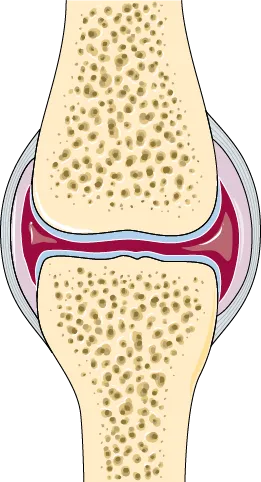
Joints
Joints let your bones move smoothly. Swelling and morning stiffness, rather than ache alone, can point to inflammation.
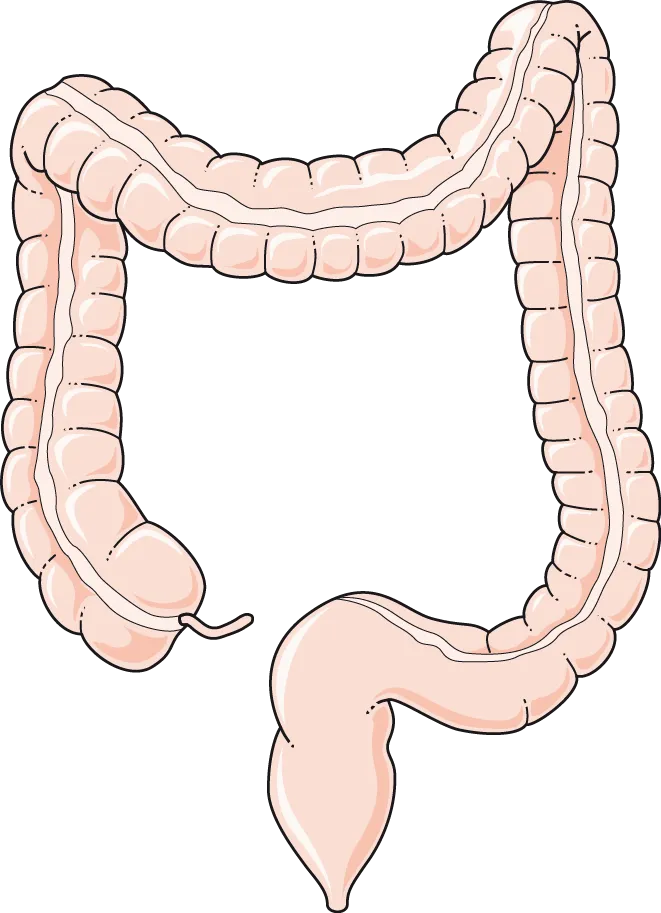
Digestive tract
Your stomach and intestines absorb nutrients and hold most of your body's immune tissue, which makes the gut a common target in autoimmune disease.
Illustrations: Servier Medical Art, CC BY 4.0

Wondering if your symptoms fit a pattern?
Dr. Lesher is a naturopathic doctor who specializes in women's autoimmune and chronic conditions. Since 2020, she has helped more than 900 patients overcome and heal from their conditions.