Testosterone
Also called: Testosterone therapy for women
A hormone women make in the ovaries and adrenal glands, in much smaller amounts than men. As a treatment it's prescription-only and needs female-range dosing.
Commonly used for
- Low sexual desire after menopause, the main use with good evidence in women
- Low testosterone with symptoms, confirmed by blood tests
- Some cases of early or surgical menopause
Found naturally in
- Made by the ovaries and adrenal glands
- Not found in foods
Label red flags
- Over-the-counter 'testosterone boosters', which don't contain testosterone
- Products sold without a prescription that claim to contain testosterone
Check with a provider
- Pregnancy, breastfeeding, or trying to conceive (it can harm a developing baby)
- PCOS, high androgens, or a history of hormone-sensitive cancer
- Signs of excess: acne, unwanted hair growth, scalp hair loss, or a deeper voice. Some changes, like voice, may not reverse.
- Heart disease or abnormal cholesterol. Your prescriber should check levels before and during treatment.
- Skin gels and creams can rub off onto children and partners. Cover the area and wash your hands.
Prescription only
Testosterone isn't sold as a supplement. Talk with your provider about whether it's right for you, which form fits best, and how it will be monitored.
Parts of the body it affects
Explore what each area does and the conditions that can affect it.
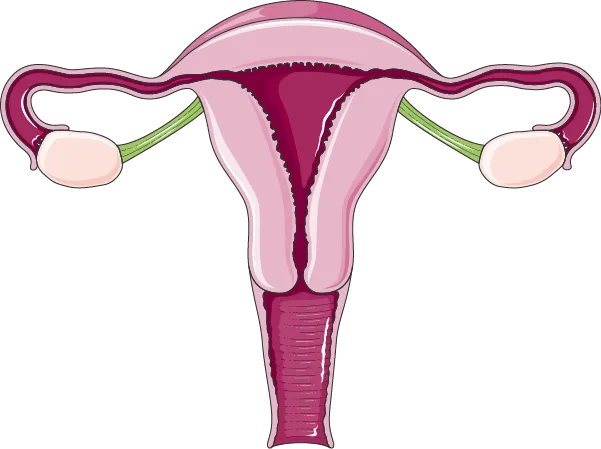
Reproductive organs
Your ovaries and uterus shape your cycle, fertility, and hormones. Sex hormones also influence the immune system, one reason autoimmune disease is more common in women.
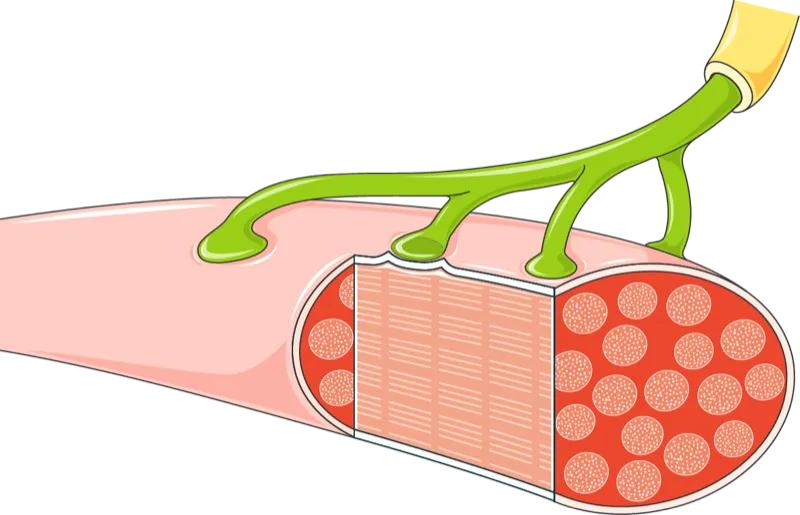
Muscles
Your muscles move and steady your body. Autoimmune muscle disease shows up as true weakness, not just soreness.
Illustrations: Servier Medical Art, CC BY 4.0

Wondering if your symptoms fit a pattern?
Dr. Lesher is a naturopathic doctor who specializes in women's autoimmune and chronic conditions. Since 2020, she has helped more than 900 patients overcome and heal from their conditions.