Weight management
Unexplained weight change, metabolic health
Chronic conditionBody weight is shaped by genes, hormones, sleep, stress, medicines, and health conditions, not willpower alone. Care here focuses on health and on finding medical causes of weight change, at any body size.
What happens
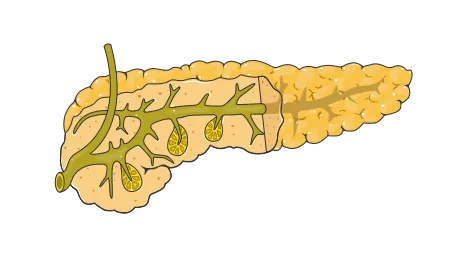
The body defends a weight range using signals from the gut, fat tissue, pancreas, and brain. When that range shifts, it can be hard to change with diet alone, and repeated dieting can make it harder. Common contributors include insulin resistance, an underactive thyroid, PCOS, perimenopause, poor sleep or sleep apnea, chronic stress, and depression. Medicines such as steroids, insulin, and some antidepressants, antipsychotics, and seizure medicines can also cause weight gain. Unexplained weight loss can come from an overactive thyroid, celiac disease, IBD, type 1 diabetes, or other conditions. Blood pressure, blood sugar, cholesterol, fitness, and how you feel often say more about health than the number on the scale.
Who gets it
Weight changes are common across a woman's life, especially around pregnancy, perimenopause, and with chronic illness or new medicines. Weight stigma in health care is common and can delay care. You deserve a provider who looks for causes.
Common signs
- Weight gain that's fast or doesn't match changes in eating or activity
- Weight gain with fatigue, feeling cold, constipation, or dry skin
- Weight gain with irregular periods, acne, or extra hair growth
- Dark, velvety skin patches, or strong hunger and cravings
- Snoring, waking unrefreshed, or morning headaches
- Weight change after starting a new medicine
- A rounder face, wide purple stretch marks, or easy bruising
- Weight loss you weren't trying for
- Eating that feels out of control, or fear around food
Labs to ask about
- TSH and free T4
- Fasting glucose and A1c, and sometimes fasting insulin
- Lipid panel and liver enzymes
- A sleep apnea evaluation if you snore or wake unrefreshed
- Cortisol testing if there are signs of Cushing's syndrome
- CBC and celiac antibodies if you're losing weight without trying
How it's usually treated
- Treating causes such as thyroid disease, PCOS, sleep apnea, or depression
- Reviewing medicines for weight-related side effects and asking about alternatives
- Nutrition and movement focused on health habits, ideally with a dietitian
- Weight medicines such as GLP-1 medicines for some people, with monitoring for side effects and muscle loss
- Bariatric surgery for some people
Supportive steps to discuss with your provider
- Focus on habits you can keep: protein and fiber at meals, strength training, and steady sleep.
- Avoid very restrictive diets. They often backfire and can cost you muscle.
- Ask whether weight matters for a specific health concern, and what else could help.
- Track markers beyond the scale, such as energy, strength, blood pressure, and labs.
- Ask about screening for disordered eating if food feels hard to manage.
See a doctor promptly if you have
- Extreme thirst, frequent urination, and weight loss with vomiting or confusion: go to the emergency room
- Fast weight gain with leg swelling or shortness of breath: get same-day care
- Severe belly pain or ongoing vomiting while taking a GLP-1 medicine: get same-day care
- Weight loss you weren't trying for
- Restricting, purging, or bingeing that feels out of control
Related conditions
Blood sugar dysfunction
A spectrum in which the body responds less to insulin, so blood sugar control slowly worsens. It can progress from insulin resistance to prediabetes and type 2 diabetes.
Learn more →Hashimoto's thyroiditis
The most common cause of an underactive thyroid in the US. The immune system slowly damages the thyroid, so it makes less hormone over time.
Learn more →Polycystic ovary syndrome
A common hormone condition that often causes irregular periods, higher androgen (male-type hormone) levels, and insulin resistance. Despite the name, not everyone with PCOS has ovarian cysts.
Learn more →Perimenopause and menopause
Menopause is the point 12 months after your last period, when the ovaries have stopped releasing eggs. Perimenopause is the years of shifting hormones before it, when most symptoms begin.
Learn more →
Wondering if your symptoms fit a pattern?
Dr. Lesher is a naturopathic doctor who specializes in women's autoimmune and chronic conditions. Since 2020, she has helped more than 900 patients overcome and heal from their conditions.