Blood sugar dysfunction
Insulin resistance, prediabetes, type 2 diabetes, metabolic syndrome
Chronic conditionA spectrum in which the body responds less to insulin, so blood sugar control slowly worsens. It can progress from insulin resistance to prediabetes and type 2 diabetes.
What happens
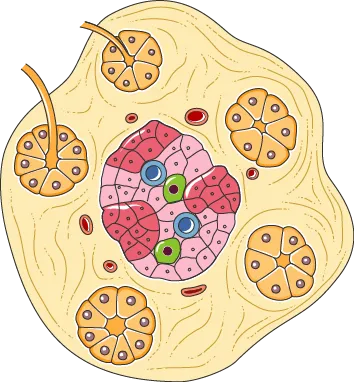
Insulin moves sugar from the blood into cells. When muscle, liver, and fat cells respond poorly to insulin, the pancreas makes more to compensate. Blood sugar can stay normal for years while insulin runs high. Over time the pancreas may not keep up, and blood sugar rises into the prediabetes and then diabetes range. Insulin resistance often comes with high triglycerides, high blood pressure, fatty liver, and, in women, PCOS. Unlike type 1 diabetes, type 2 diabetes isn't autoimmune.
Who gets it
Risk rises with age, family history, a sedentary lifestyle, and extra weight around the middle. Women with PCOS or a history of gestational diabetes are at higher risk. Risk also rises after menopause.
Common signs
- Often no symptoms in the early stages
- Weight gain around the waist
- Energy crashes, shakiness, or strong cravings between meals
- Darker, velvety skin in body folds (acanthosis nigricans) or skin tags
- Irregular periods, acne, or extra facial hair
- Increased thirst and urination as blood sugar rises
- Blurred vision, slow-healing cuts, or frequent yeast infections
Labs to ask about
- Fasting glucose
- Hemoglobin A1c
- Fasting insulin, which some providers use to spot early insulin resistance
- Lipid panel (especially triglycerides and HDL)
- Liver enzymes, and sometimes a liver ultrasound, to check for fatty liver
- An oral glucose tolerance test, often after gestational diabetes
How it's usually treated
- Nutrition changes, physical activity, and sleep, which are the foundation
- Metformin for prediabetes or type 2 diabetes in some people
- GLP-1 and other newer medicines for type 2 diabetes or weight management
- Managing blood pressure and cholesterol to protect the heart
Supportive steps to discuss with your provider
- Build meals around protein, fiber, and vegetables, and limit sugary drinks.
- Include strength training. Muscle is a major user of blood sugar.
- Take a short walk after meals.
- Aim for regular, sufficient sleep. Poor sleep worsens insulin resistance.
- Ask about getting your blood sugar checked yearly if you've had gestational diabetes.
See a doctor promptly if you have
- Chest pain or pressure, or shortness of breath: call 911
- Vomiting, abdominal pain, deep fast breathing, or confusion with high blood sugar: go to the emergency room
- Extreme thirst, frequent urination, and unexplained weight loss
- A foot sore or wound that isn't healing
Related conditions
Polycystic ovary syndrome
A common hormone condition that often causes irregular periods, higher androgen (male-type hormone) levels, and insulin resistance. Despite the name, not everyone with PCOS has ovarian cysts.
Learn more →Weight management
Body weight is shaped by genes, hormones, sleep, stress, medicines, and health conditions, not willpower alone. Care here focuses on health and on finding medical causes of weight change, at any body size.
Learn more →Type 1 diabetes
The immune system destroys the insulin-making cells in the pancreas, so the body can't make enough insulin to control blood sugar.
Learn more →
Wondering if your symptoms fit a pattern?
Dr. Lesher is a naturopathic doctor who specializes in women's autoimmune and chronic conditions. Since 2020, she has helped more than 900 patients overcome and heal from their conditions.