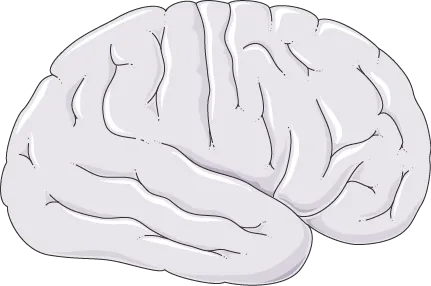
Inflammation creates areas of damage called lesions. Most people start with a relapsing-remitting pattern: attacks of new symptoms, followed by partial or full recovery. Some people later develop slow, steady progression.
Who gets it
MS is two to three times more common in women and is usually diagnosed between 20 and 40. Low vitamin D, smoking, and past Epstein-Barr virus infection are linked to a higher risk.
Common signs
Vision loss or pain in one eye (optic neuritis)
Numbness or tingling, often on one side or from the waist down
Weakness or stiffness in a limb
Balance problems or dizziness
An electric-shock feeling down the back when bending the neck
Bladder urgency
Symptoms that get worse with heat
Fatigue and changes in thinking or memory
Labs to ask about
MRI of the brain and spinal cord
A neurological exam
Spinal fluid testing in some cases
Blood tests to rule out conditions that look similar, such as low B12 or thyroid disease
How it's usually treated
Disease-modifying therapies that reduce relapses and new lesions
Steroids for acute attacks
Rehabilitation and symptom management
Supportive steps to discuss with your provider
Ask about checking and correcting vitamin D.
Stop smoking.
Exercise regularly to protect strength, balance, and mood.
Use cooling strategies if heat worsens symptoms.
See a doctor promptly if you have
New vision loss, numbness, or weakness lasting more than 24 hours
Dr. Lesher is a naturopathic doctor who specializes in women's autoimmune and chronic conditions. Since 2020, she has helped more than 900 patients overcome and heal from their conditions.