Depression
Major depression, perinatal and postpartum depression, perimenopausal depression
Chronic conditionA persistent low mood or loss of interest that lasts at least 2 weeks and affects how you think, feel, and function. It's a medical condition, not a weakness, and it's treatable.
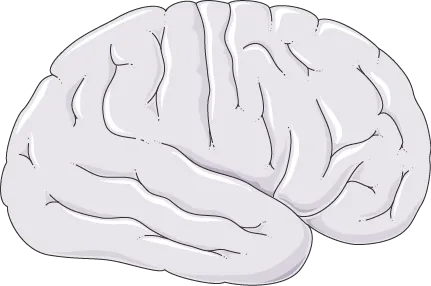
What happens
Depression involves changes in brain circuits that regulate mood, sleep, appetite, and energy. Genetics, stress, trauma, illness, and hormones all play a part. Hormone shifts make some times riskier for women, including pregnancy and the year after birth (perinatal depression) and the years around menopause. Inflammation, thyroid disease, and other autoimmune conditions are linked to higher rates of depression.
Who gets it
Depression is about twice as common in women. Risk rises during pregnancy and postpartum, in perimenopause, with PMDD, and with a personal or family history of depression. It's also more common with thyroid disease and chronic illness.
Common signs
- Sadness, emptiness, or hopelessness most days
- Losing interest or pleasure in things you used to enjoy
- Fatigue or low energy
- Sleeping too much or too little
- Changes in appetite or weight
- Trouble concentrating or making decisions
- Feeling worthless or guilty
- Irritability, anxiety, or trouble bonding with a new baby
- Thoughts of death or suicide
Labs to ask about
- A screening questionnaire such as the PHQ-9, or the Edinburgh scale during pregnancy and postpartum
- TSH and free T4
- CBC and ferritin
- B12, folate, and vitamin D
- A review of medicines and hormone changes, such as birth control or perimenopause
How it's usually treated
- Talk therapy, such as CBT or interpersonal therapy
- Antidepressant medicines, often combined with therapy
- Medicines approved specifically for postpartum depression
- Hormone therapy may help perimenopausal mood symptoms in some women. Ask whether it fits your situation.
- Regular exercise, which has good evidence as part of treatment
Supportive steps to discuss with your provider
- Move your body most days, even with short walks.
- Get morning daylight and keep a regular sleep schedule.
- Stay connected with people you trust, and ask for practical help after a new baby.
- Ask before taking St. John's wort. It interacts with many medicines, including birth control.
- Don't stop antidepressants suddenly. Taper with your provider.
See a doctor promptly if you have
- Thoughts of suicide or harming yourself: call or text 988, or call 911 if you're in immediate danger
- Confusion, hallucinations, or very unusual thoughts after giving birth: go to the emergency room (possible postpartum psychosis)
- Thoughts of harming your baby or being unable to care for yourself or your child
- Depression that isn't improving with treatment
Related conditions
Anxiety
Worry, fear, or physical tension that's out of proportion to the situation and gets in the way of daily life. Physical causes such as thyroid or hormone changes can drive or worsen it.
Learn more →Hashimoto's thyroiditis
The most common cause of an underactive thyroid in the US. The immune system slowly damages the thyroid, so it makes less hormone over time.
Learn more →Perimenopause and menopause
Menopause is the point 12 months after your last period, when the ovaries have stopped releasing eggs. Perimenopause is the years of shifting hormones before it, when most symptoms begin.
Learn more →Insomnia and sleep disorders
Trouble falling asleep, staying asleep, or waking rested, at least 3 nights a week for 3 months or more. Other sleep disorders, such as sleep apnea, are often missed in women.
Learn more →
Wondering if your symptoms fit a pattern?
Dr. Lesher is a naturopathic doctor who specializes in women's autoimmune and chronic conditions. Since 2020, she has helped more than 900 patients overcome and heal from their conditions.