Vitamin C
Also called: Ascorbic acid, ascorbate
A water-soluble antioxidant the body needs to make collagen, support immune cells, and absorb iron from plant foods. The body can't make it, so it must come from food.
Commonly used for
- Immune support
- Collagen, skin, and wound healing
- Better iron absorption
- Antioxidant support
Found naturally in
- Bell peppers
- Citrus fruits
- Kiwi
- Strawberries
- Broccoli
Label red flags
- Chewables, gummies, or drink powders with added sugar
- Large servings that cause loose stools or gas, a sign the amount is more than your gut can absorb
Check with a provider
- History of kidney stones, especially oxalate stones
- Hemochromatosis or other iron overload, since vitamin C increases iron absorption
- Kidney disease
- G6PD deficiency, especially before high-dose or IV vitamin C
- In cancer treatment. Check with your oncology team first.
Supplements that contain it
Parts of the body it affects
Explore what each area does and the conditions that can affect it.
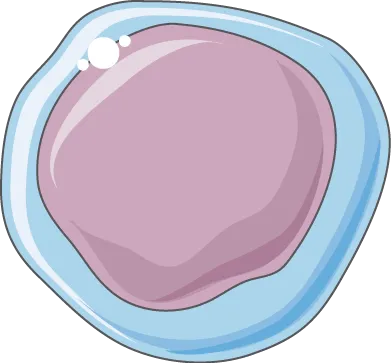
Blood & immune system
Blood carries oxygen and nutrients, and white blood cells defend you from infection. In autoimmune disease, that defense system targets your own tissues.
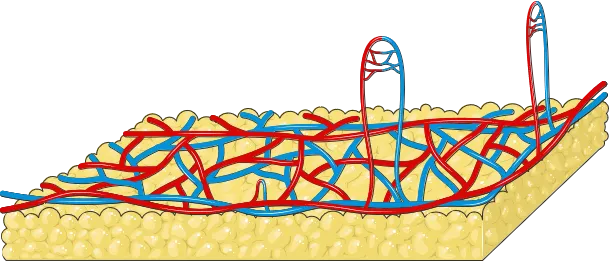
Skin
Your skin is your largest organ and a major immune barrier. Rashes, patches, and color changes are often the first visible signs of an autoimmune condition.
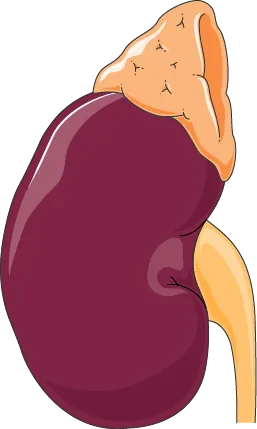
Adrenal glands
These small glands on top of your kidneys make cortisol, aldosterone, and adrenaline, which manage energy, blood pressure, and your stress response.
Illustrations: Servier Medical Art, CC BY 4.0

Wondering if your symptoms fit a pattern?
Dr. Lesher is a naturopathic doctor who specializes in women's autoimmune and chronic conditions. Since 2020, she has helped more than 900 patients overcome and heal from their conditions.