Digestive enzymes
Also called: Protease, amylase, lipase, lactase, bromelain, papain
Proteins that help break down the protein, carbohydrates, and fats in your meals. They may ease bloating and heaviness after eating.
Commonly used for
- Bloating or heaviness after meals
- Trouble digesting dairy (lactase)
- Gas from beans and vegetables (alpha-galactosidase)
- Digestive support with age
Found naturally in
- Your body makes them
- Pineapple (bromelain)
- Papaya (papain)
- Kiwi
- Fermented foods
Label red flags
- 'Gluten-digesting' enzymes marketed for celiac disease. They don't make gluten safe.
- Betaine HCl or ox bile added without being obvious on the front label
- Activity units not listed for each enzyme
Check with a provider
- Ulcers, gastritis, or heartburn, especially with blends containing betaine HCl
- Pancreatitis, cystic fibrosis, or a diagnosed low pancreatic output. You may need prescription enzymes.
- Taking blood thinners, since bromelain and papain may raise bleeding risk
- Pork allergy (pancreatin is made from pork) or pineapple or papaya allergy
- Pregnancy or breastfeeding
Supplements that contain it
Parts of the body it affects
Explore what each area does and the conditions that can affect it.
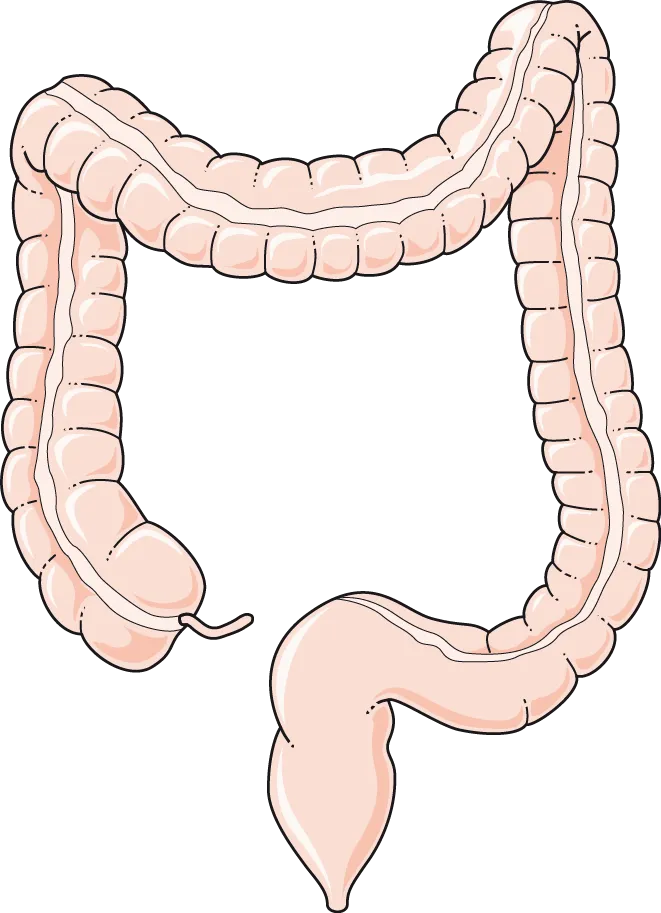
Digestive tract
Your stomach and intestines absorb nutrients and hold most of your body's immune tissue, which makes the gut a common target in autoimmune disease.
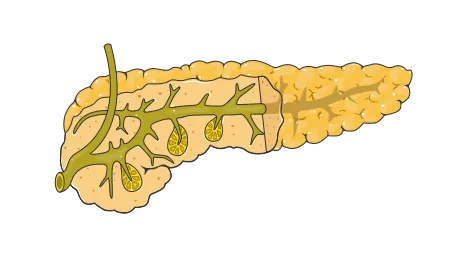
Pancreas
Your pancreas makes digestive enzymes and the hormones insulin and glucagon, which keep blood sugar steady.
Illustrations: Servier Medical Art, CC BY 4.0

Wondering if your symptoms fit a pattern?
Dr. Lesher is a naturopathic doctor who specializes in women's autoimmune and chronic conditions. Since 2020, she has helped more than 900 patients overcome and heal from their conditions.