Biotin (B7)
Also called: Vitamin B7, vitamin H, d-biotin
A B vitamin that helps turn fats, carbs, and protein into energy. Popular for hair and nails, but it mainly helps people who are low. High amounts can throw off many lab tests.
Commonly used for
- Brittle nails (limited evidence)
- Hair thinning linked to low biotin
- Energy metabolism
- General B-complex support
Found naturally in
- Cooked egg yolks (raw egg whites block biotin)
- Liver
- Salmon
- Sunflower seeds
- Sweet potatoes
Label red flags
- Very high-potency biotin, common in hair and nail products
- Biotin hidden in several products at once (hair formula, multi, B-complex, prenatal)
Check with a provider
- Getting blood work soon. Biotin can falsely raise or lower many lab results, including thyroid tests (TSH, T4, T3), troponin (used to check for a heart attack), and hormone tests. Tell your clinician you take it and ask how many days to stop before testing.
- Thyroid conditions such as Hashimoto's or Graves'. Biotin can make thyroid labs look like overactive thyroid and lead to wrong medicine changes.
- Taking anti-seizure medicines such as carbamazepine or phenytoin, which can lower biotin
- Hair loss. Get checked for causes like low iron, thyroid problems, or other hormone shifts before relying on biotin.
Supplements that contain it
Parts of the body it affects
Explore what each area does and the conditions that can affect it.
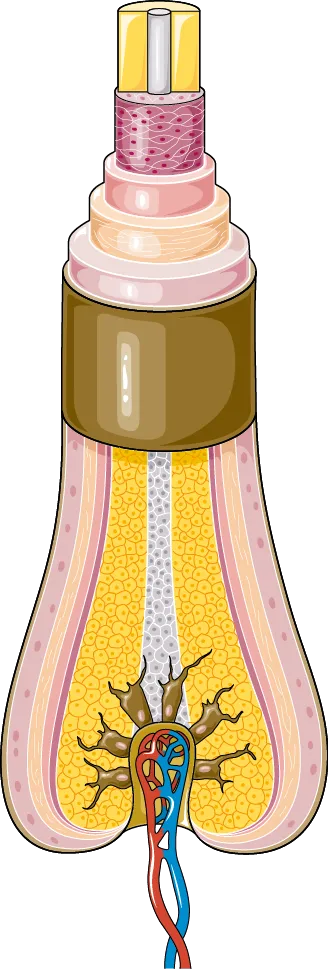
Hair
Hair is often one of the first places to show what's happening inside the body. Changes in shedding or thickness can point to nutrient, thyroid, hormone, or autoimmune causes.
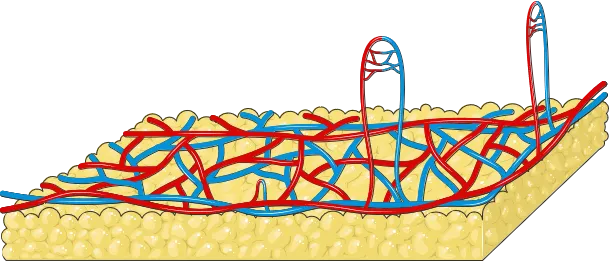
Skin
Your skin is your largest organ and a major immune barrier. Rashes, patches, and color changes are often the first visible signs of an autoimmune condition.
Illustrations: Servier Medical Art, CC BY 4.0

Wondering if your symptoms fit a pattern?
Dr. Lesher is a naturopathic doctor who specializes in women's autoimmune and chronic conditions. Since 2020, she has helped more than 900 patients overcome and heal from their conditions.