Osteoporosis
Low bone density, osteopenia (milder bone loss)
Chronic conditionA condition in which bones become thinner and weaker, so they break more easily. It usually causes no symptoms until a bone breaks.
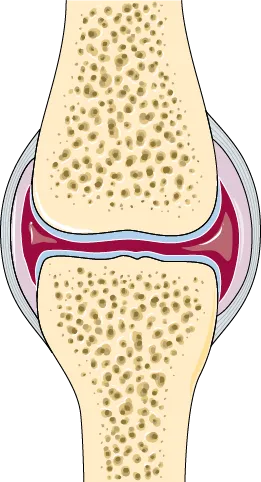
What happens
Bone is constantly broken down and rebuilt. After about age 30, rebuilding slowly falls behind. Estrogen protects bone, so loss speeds up in the years around menopause. Bones become more porous and can break from a minor fall, or even from bending or coughing, most often in the spine, hip, and wrist. Long-term steroids, too much thyroid hormone, celiac disease, and rheumatoid arthritis can also cause bone loss.
Who gets it
Women are at highest risk, especially after menopause. About 1 in 2 women over 50 will break a bone because of osteoporosis. Risk is higher with early menopause, missed periods, low body weight, smoking, heavy alcohol use, a parent who broke a hip, long-term steroids, and autoimmune conditions such as rheumatoid arthritis, celiac disease, IBD, Graves' disease, and type 1 diabetes.
Common signs
- Often no symptoms until a bone breaks
- A broken bone from a minor fall
- Loss of height
- A forward-curved upper back
- Sudden back pain from a spine fracture, sometimes without a fall
Labs to ask about
- DXA bone density scan (recommended at 65, and earlier after menopause if you have risk factors)
- A fracture risk score such as FRAX
- Vitamin D, calcium, and kidney function
- TSH and parathyroid hormone
- Celiac antibodies if bone loss is unexplained
- A spine X-ray if you've lost height
How it's usually treated
- Bisphosphonates, the most common first treatment
- Denosumab, or bone-building medicines for people at very high risk
- Menopausal hormone therapy, which can prevent bone loss in some women
- Weight-bearing and strength exercise, and fall prevention
- Enough calcium, vitamin D, and protein
Supportive steps to discuss with your provider
- Do weight-bearing and strength exercise, plus balance work such as tai chi.
- Get calcium mainly from food. Ask about vitamin D based on your labs.
- Limit alcohol and stop smoking.
- Make your home safer from falls with good lighting and fewer tripping hazards.
- Review medicines that can thin bone or cause dizziness, such as steroids or too much thyroid hormone.
See a doctor promptly if you have
- A fall with hip pain, or you can't stand or bear weight: go to the emergency room
- Sudden, severe back pain, especially after lifting or a minor fall: get same-day care
- Losing height or a back that is curving forward
- Jaw pain or exposed bone in your mouth while taking bone medicine
- You take long-term steroids or aromatase inhibitors and haven't had a bone density test
Related conditions
Perimenopause and menopause
Menopause is the point 12 months after your last period, when the ovaries have stopped releasing eggs. Perimenopause is the years of shifting hormones before it, when most symptoms begin.
Learn more →Celiac disease
An autoimmune reaction to gluten (in wheat, barley, and rye) that damages the lining of the small intestine and blocks nutrient absorption.
Learn more →Rheumatoid arthritis
The immune system attacks the lining of the joints, causing painful swelling that can damage cartilage and bone if untreated.
Learn more →Graves' disease
The most common cause of an overactive thyroid. Antibodies switch the thyroid 'on' so it makes too much hormone.
Learn more →
Wondering if your symptoms fit a pattern?
Dr. Lesher is a naturopathic doctor who specializes in women's autoimmune and chronic conditions. Since 2020, she has helped more than 900 patients overcome and heal from their conditions.