Fertility challenges
Infertility, subfertility, recurrent pregnancy loss
Chronic conditionInfertility means not getting pregnant after 12 months of trying, or after 6 months if you're 35 or older. Many causes are treatable, and both partners should be evaluated.
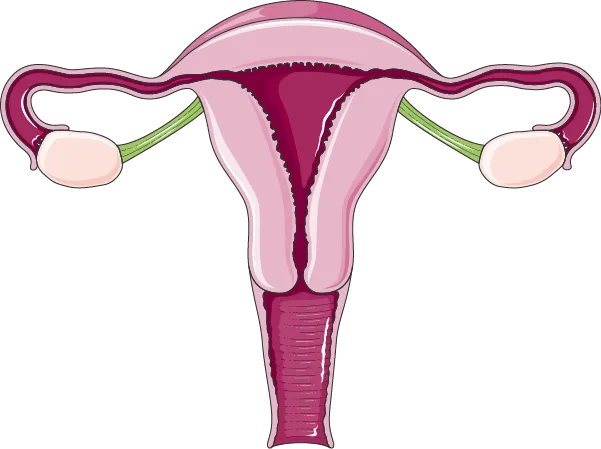
What happens
Pregnancy depends on regular ovulation, open fallopian tubes, a healthy uterus, and healthy sperm. On the women's side, common issues include ovulation problems from PCOS, thyroid disease, high prolactin, or under-fueling; tubes blocked by past infection or endometriosis; and a natural drop in egg number and quality with age, especially after 35. Thyroid disease, and thyroid antibodies even with normal hormone levels, are linked to higher miscarriage risk. Untreated celiac disease is linked to infertility and miscarriage, and antiphospholipid syndrome can cause repeated pregnancy loss.
Who gets it
About 1 in 6 people face infertility at some point. Risk rises after 35 and with PCOS, endometriosis, thyroid disease, celiac disease, past pelvic infections, and smoking.
Common signs
- Not getting pregnant after 12 months of trying, or 6 months if you're 35 or older
- Irregular or absent periods
- Very painful periods or pain with sex
- Two or more miscarriages
- Acne, extra hair growth, or other signs of high androgens
- Milky nipple discharge when not breastfeeding
- Signs of thyroid disease, such as fatigue, feeling cold, or a racing heart
Labs to ask about
- Ovulation tracking and a progesterone level about a week before your expected period
- AMH, FSH, and estradiol to estimate egg supply
- TSH, TPO antibodies, and prolactin
- Celiac antibodies when symptoms or history suggest it
- Pelvic ultrasound and a tube study (HSG), plus a semen analysis for your partner
- Antiphospholipid antibodies after repeated pregnancy loss
How it's usually treated
- Treating the cause, such as thyroid medicine, medicine to lower prolactin, or a gluten-free diet for celiac disease
- Ovulation medicines such as letrozole or clomiphene
- Intrauterine insemination (IUI)
- In vitro fertilization (IVF)
- Surgery for some cases of endometriosis, fibroids, polyps, or blocked tubes
Supportive steps to discuss with your provider
- Start a prenatal vitamin with folic acid before trying to conceive.
- Stop smoking and limit alcohol.
- Ask for thyroid and celiac screening if you have symptoms or a personal or family history of autoimmune disease.
- Learn your fertile window with ovulation tests or cycle tracking.
- Seek emotional support. Infertility is stressful, and support helps.
See a doctor promptly if you have
- A positive pregnancy test with one-sided pain, shoulder pain, heavy bleeding, or fainting: go to the emergency room (possible ectopic pregnancy)
- Rapid belly swelling, shortness of breath, or very little urine during fertility treatment: get same-day care
- Under 35 and not pregnant after 12 months, 35 or older after 6 months, or 40 or older right away
- Irregular or absent periods while trying to conceive
- Two or more miscarriages
Related conditions
Polycystic ovary syndrome
A common hormone condition that often causes irregular periods, higher androgen (male-type hormone) levels, and insulin resistance. Despite the name, not everyone with PCOS has ovarian cysts.
Learn more →Endometriosis
A chronic, estrogen-driven inflammatory condition in which tissue similar to the uterine lining grows outside the uterus, causing pain and sometimes infertility. It isn't classified as autoimmune, but women with endometriosis have higher rates of several autoimmune diseases.
Learn more →Hashimoto's thyroiditis
The most common cause of an underactive thyroid in the US. The immune system slowly damages the thyroid, so it makes less hormone over time.
Learn more →Celiac disease
An autoimmune reaction to gluten (in wheat, barley, and rye) that damages the lining of the small intestine and blocks nutrient absorption.
Learn more →
Wondering if your symptoms fit a pattern?
Dr. Lesher is a naturopathic doctor who specializes in women's autoimmune and chronic conditions. Since 2020, she has helped more than 900 patients overcome and heal from their conditions.