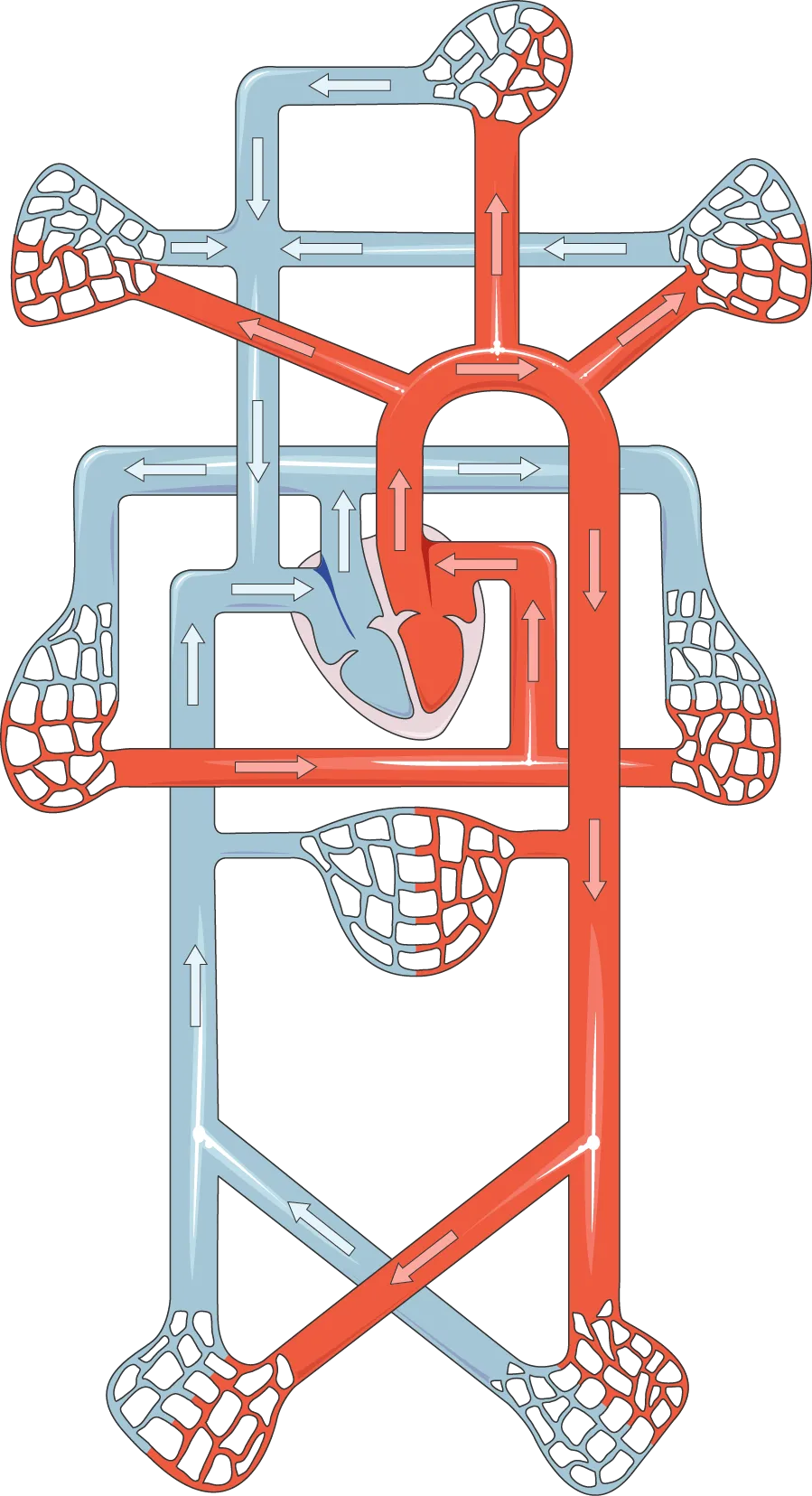
Antiphospholipid antibodies interfere with the normal balance of clotting. Clots can form in veins (such as the legs or lungs) or arteries (such as the brain). In pregnancy, they can affect the placenta. APS can occur on its own or alongside lupus.
Who gets it
APS is more common in women and is often found in younger adults, sometimes after a clot or pregnancy loss. Many people with positive antibodies never develop a clot.
Common signs
A blood clot in the leg (swelling, pain, warmth)
A blood clot in the lung (sudden shortness of breath, chest pain)
A stroke or mini-stroke at a young age
Repeated miscarriages or a late pregnancy loss
Preeclampsia
A lacy, net-like rash on the legs (livedo reticularis)
Low platelets
Labs to ask about
Lupus anticoagulant
Anticardiolipin antibodies
Anti-beta-2 glycoprotein I antibodies
Repeat testing at least 12 weeks later to confirm
Complete blood count (platelets)
How it's usually treated
Blood thinners for people who have had a clot
Low-dose aspirin and heparin during pregnancy for some women
Managing other clot risks such as smoking and immobility
Supportive steps to discuss with your provider
Ask about clot risk before starting estrogen-containing birth control or hormone therapy.
Move and stay hydrated on long trips.
Don't smoke.
Tell every provider that you have APS before surgery or procedures.
See a doctor promptly if you have
Sudden shortness of breath or chest pain: call 911
Facial droop, one-sided weakness, or trouble speaking: call 911
A swollen, painful, warm leg
You're pregnant or planning pregnancy and have APS or a history of pregnancy loss
Dr. Lesher is a naturopathic doctor who specializes in women's autoimmune and chronic conditions. Since 2020, she has helped more than 900 patients overcome and heal from their conditions.